
Step-by-Step: What to Expect During Your First Low Vision Rehabilitation Appointment in Ohio
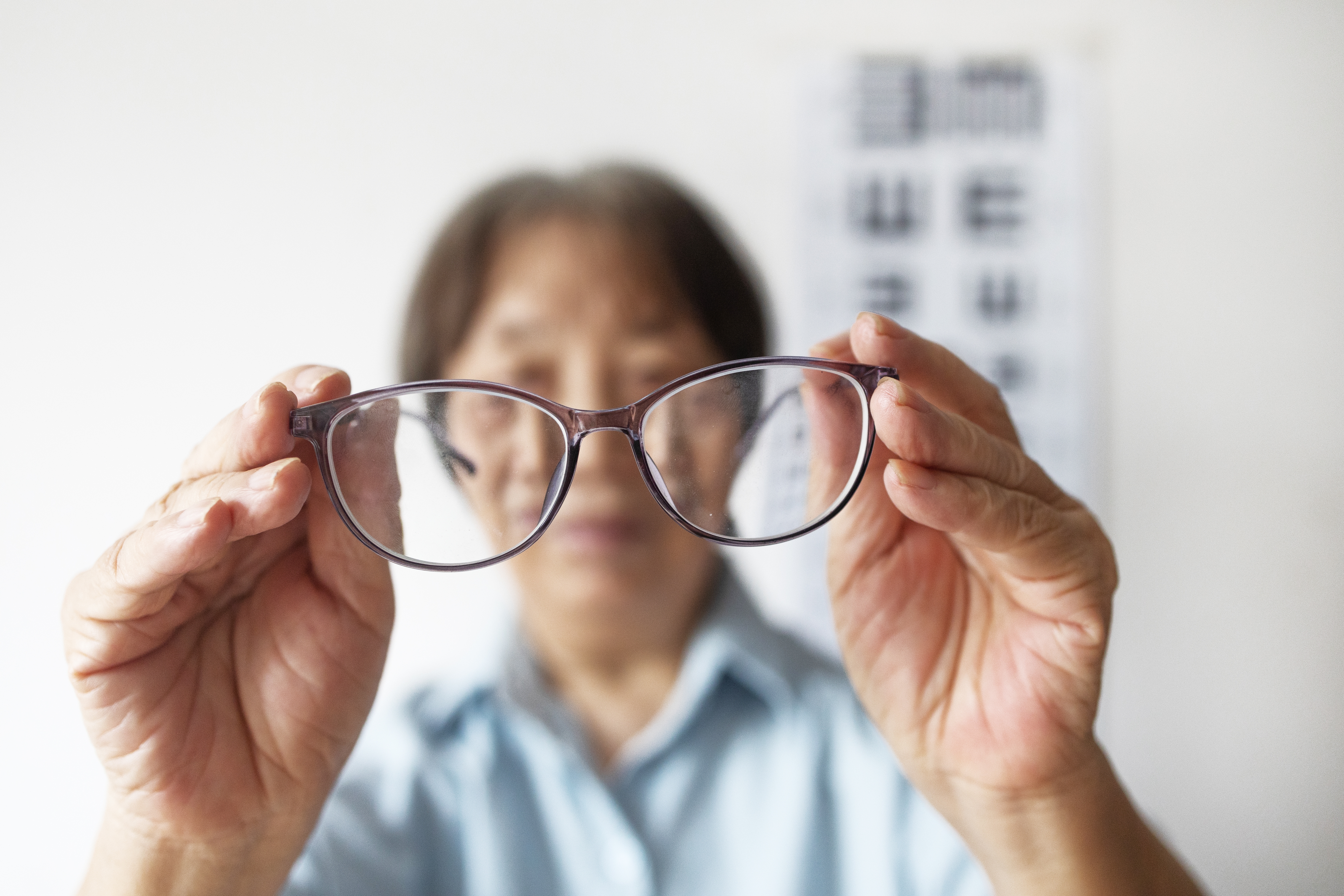
Living with vision loss can make everyday tasks such as reading, driving, cooking, recognizing faces, or using a phone more difficult. Low vision rehabilitation focuses on helping you use your remaining vision more effectively rather than simply measuring what you cannot see. At Low Vision Doctors of Ohio in Columbus, Dr. Paolo Cursaro provides individualized low vision evaluations and rehabilitation plans based on each patient’s visual abilities, daily challenges, and personal goals.
Step 1: Start With a Conversation About Your Vision
Before the in-office examination, Low Vision Doctors of Ohio begins with a phone consultation and assessment. This is an opportunity to discuss the nature of your vision loss, how it affects your daily routine, and which activities you most want to improve. The practice may also request records from your ophthalmologist or optometrist to better understand your diagnosis and recent eye care.
Your goals are an important part of low vision rehabilitation. One Columbus patient may want help reading mail, while another may want to see television more clearly, recognize faces, or continue enjoying a favorite hobby.
Step 2: Discuss the Tasks That Are Most Difficult
A low vision appointment is different from a standard eye exam. The main goal is to maximize functional vision and find practical ways to make daily activities easier. The National Eye Institute explains that vision rehabilitation can provide tools, training, and resources that help people with visual impairment maintain independence.
Before your appointment, consider which activities cause the most frustration. These may include:
- Reading books, newspapers, menus, or medication labels
- Recognizing faces from across a room
- Watching television
- Using a computer, tablet, or smartphone
- Seeing signs or objects at a distance
- Managing household tasks independently
- Participating in hobbies or community activities
Bringing specific goals gives the doctor a clearer idea of which low vision aids and strategies may be most useful.
Step 3: Complete Specialized Low Vision Testing
At the Columbus office, the low vision evaluation typically lasts about one to one-and-a-half hours. Dr. Cursaro uses specialized acuity charts that include a broader range of letter or number sizes than traditional vision charts. Testing may also evaluate visual fields, glare, contrast sensitivity, and reading ability.
These measurements help determine how your remaining vision functions in situations that matter outside the exam room.
Step 4: Try Low Vision Devices During Your Visit
One of the most practical parts of low vision rehabilitation is testing devices rather than simply hearing about them.
Depending on your needs, Dr. Cursaro may demonstrate specialty optical devices such as miniature microscopes or telescopes incorporated into eyeglass frames. Electronic visual aids and other assistive technologies may also be demonstrated so you can experience how they affect tasks that are difficult for you.
This hands-on approach helps determine whether a particular device is actually useful for your daily life before it becomes part of your rehabilitation plan.
Step 5: Build a Personalized Rehabilitation Plan
At the end of the evaluation, Dr. Cursaro develops an individualized rehabilitation plan based on your visual abilities and goals. Depending on what you need, the plan may include optical devices, electronic aids, specialized glasses, training, or other strategies designed to improve functional vision.
Family members are also encouraged to attend the evaluation. Having a loved one present can help them better understand your visual challenges and see how different devices may improve your ability to complete daily tasks.
Low vision does not necessarily mean giving up the activities that matter to you. If vision loss from macular degeneration, glaucoma, diabetic retinopathy, stroke, or another condition is interfering with your independence, schedule a low vision rehabilitation evaluation with Low Vision Doctors of Ohio at 730 Mt Airyshire Blvd., Columbus, OH 43235, or call 614-400-3950 to explore practical ways to make the most of your remaining vision.


Contact Info
Hours of Operation
- Monday 9:00am - 5:00pm
- Tuesday 9:00am - 5:00pm
- Wednesday 9:00am - 5:00pm
- Thursday 9:00am - 5:00pm
- Friday 9:00am - 5:00pm
- Saturday Closed
- Sunday Closed
© 2025 Low Vision Doctors of Ohio. All rights Reserved. Accessibility Statement - Privacy Policy - Sitemap
Powered by:
